
Your Air con Time Bomb
What Is Your Air Conditioner Hiding?
Most people think of their air conditioner as something simple: turn it on, enjoy cool air, and forget about it until summer arrives again.
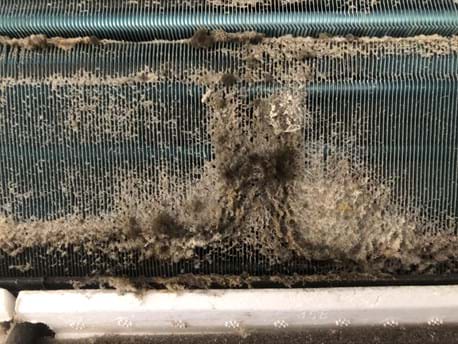
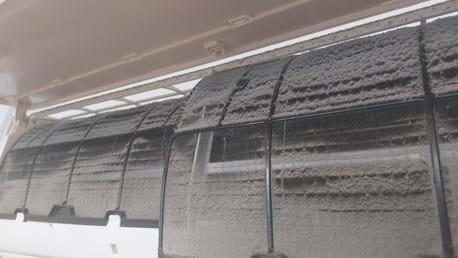
But behind the plastic cover of a typical air conditioning unit is a complex system that can quietly develop problems over time. Moisture, dust, bacteria, mould, blocked drains, and neglected maintenance can all build up inside the system.
Because most of these issues develop out of sight, many homeowners only notice something is wrong when the symptoms appear — musty smells, poor airflow, water leaks, rising energy bills, or worsening allergies inside the home.
By that stage, the underlying problem may have already been developing for months or even years.
In this guide, we’ll walk through some of the most common hidden issues found inside air conditioners, how they affect your home or workplace, and what you can do to prevent them.
Each section links to a deeper guide if you want to explore the topic further.
1. Mould and Bacteria Inside Air Conditioners

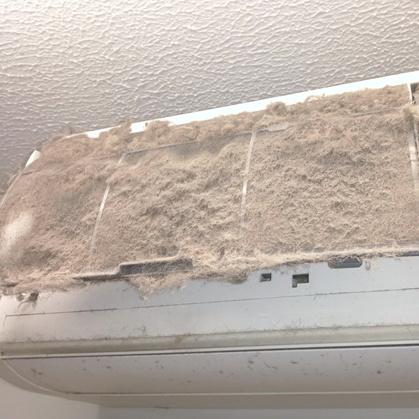
One of the most overlooked problems inside air conditioners is the growth of mould and bacteria.
Air conditioners naturally produce moisture as part of the cooling process. When dust, dirt, and organic debris combine with this moisture, they create the perfect breeding ground for microbial growth.
Over time, mould can form on:
- Coils
- Fan barrels
- Drain trays
- Internal components
Once mould begins to grow inside the system, every time the air conditioner runs it can circulate spores and contaminants throughout the room.
For some people this may simply create a musty smell, but for others it can trigger:
- Allergies
- Asthma symptoms
- Sinus irritation
- Headaches and fatigue
Learn more about the health risks and how professional cleaning removes these contaminants:
https://www.purifyairconcleaning.com.au/harmful-mould-and-bacteria-in-air-conditioners-health-risks-and-remediation
2. Mould vs Mildew: Why the Difference Matters
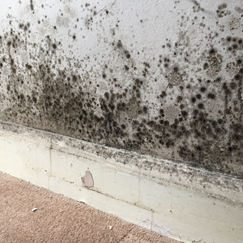

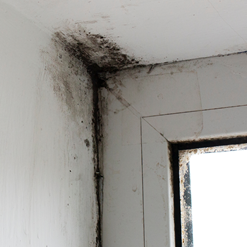
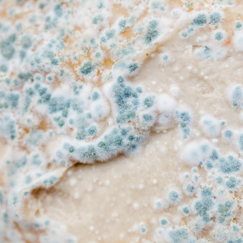
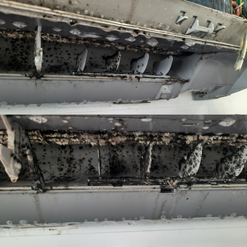
Many people use the terms mould and mildew interchangeably, but they are not the same.
While both thrive in damp environments, mould tends to penetrate deeper into surfaces and spread more aggressively.
Mildew often appears as a lighter surface growth, whereas mould can develop into darker, thicker colonies that are harder to remove and potentially more harmful.
Understanding the difference matters because the treatment and prevention strategies can vary significantly.
Read the full guide explaining the differences and how to stop both from developing:
https://www.purifyairconcleaning.com.au/mould-vs-mildew-key-differences-health-risks-and-effective-prevention
3. Why Air Conditioners Start Leaking Water
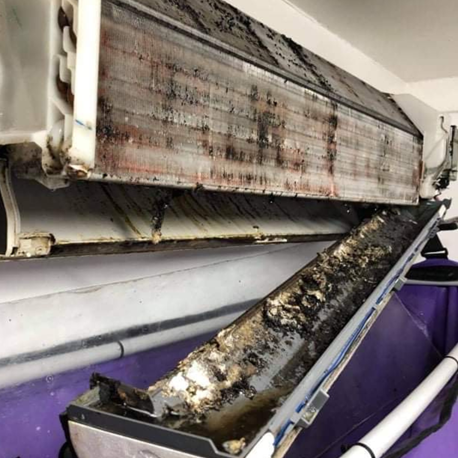
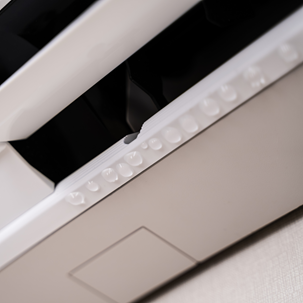
Water leaks are one of the most common air conditioner problems homeowners notice.
A leaking unit is usually a sign that something inside the system is blocked, damaged, or overwhelmed.
Common causes include:
- Blocked drain lines
- Dirty filters
- Frozen coils
- Faulty pumps
- Poor installation
If ignored, leaking water can damage walls, ceilings, flooring, and even electrical components.
See the most common causes of leaks and how they can be prevented:
https://www.purifyairconcleaning.com.au/air-conditioner-leaking-water
4. Eight Common Reasons Air Conditioners Leak
While leaks can sometimes appear suddenly, they are usually the result of a combination of issues building up over time.
Poor maintenance, blocked drainage systems, and internal contamination often work together to cause leaks.
In some cases, what begins as a small drip can quickly develop into significant property damage if the issue is left unresolved.
Explore the full list of causes and what they can lead to:
https://www.purifyairconcleaning.com.au/8-reasons-why-air-conditioners-leak-the-damage-this-can-cause-and-how-to-prevent
5. Rental Properties: Who Is Responsible?

Air conditioner maintenance in rental properties can sometimes create confusion.
Tenants may assume cleaning and maintenance are the landlord’s responsibility, while landlords may expect tenants to handle basic upkeep.
In reality, responsibilities are often shared depending on the situation and local tenancy agreements.
Understanding who is responsible for:
- Routine filter cleaning
- Professional servicing
- Repairing faults
- Addressing mould or leaks
can help avoid disputes and ensure the system remains safe and functional.
Learn more about landlord and tenant responsibilities:
https://www.purifyairconcleaning.com.au/responsibilities-of-tenants-and-landlords
6. Real Stories: When Air Conditioner Mould Gets Out of Control
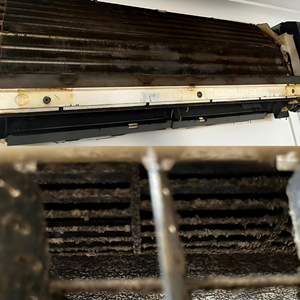
Many homeowners are surprised when they see what can develop inside an air conditioner that hasn’t been cleaned for years.
Technicians frequently discover units filled with thick mould growth, clogged drainage systems, and internal components coated in grime.
In some cases, the contamination is severe enough to affect entire rooms or cause persistent health symptoms for the occupants.
Read real-life cases of what happens when air conditioner mould is ignored:
https://www.purifyairconcleaning.com.au/real-life-air-conditioning-mould-horror-stories-and-how-to-prevent-them
Why Regular Air Conditioner Cleaning Matters
Air conditioners are designed to improve comfort, but without proper maintenance they can become a source of hidden problems.
Regular professional cleaning helps to:
- Remove mould, bacteria, and dust
- Prevent leaks and drainage issues
- Improve airflow and efficiency
- Reduce energy costs
- Protect indoor air quality
By addressing these issues early, homeowners and businesses can avoid larger problems later.
If your air conditioner hasn’t been professionally cleaned in years, it may be time to have it checked before hidden issues begin affecting your home.