
hidden moisture damage
The Consequences of Ignoring Winter Condensation in your Home or Workplace.
As cooler weather starts in Autum and Winter, we tend to close up the rooms in our homes and offices, which is exactly what mould and mildew like.
The less the ventilation the more the condensation, on bedroom windows and walls, kitchen and laundry ceilings, walls and windows.
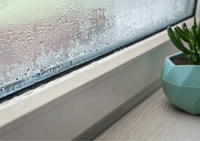
As the weather cools there is more of a temperature inversion from outside to inside, similar to a cold drink left on a bench and which over time leaves a pool of water under the glass. Even every time we breath we release small amounts of moisture which you don’t normally notice unless it is really cold, like steam coming out of our mouth, but as you sleep or exercise the moisture can build up over time to the point you can see moisture running down your windows and pooling on the window ledge in the morning.
Window condensation is easy to ignore. A bit of fog on the glass in the morning, maybe some droplets running down the frame - most people just wipe it away and move on.
But that moisture is a signal. It tells you the air inside your home is holding more water than it should, and over time that can affect both your health and your property in ways that aren’t obvious at first.
What Causes Window Condensation?
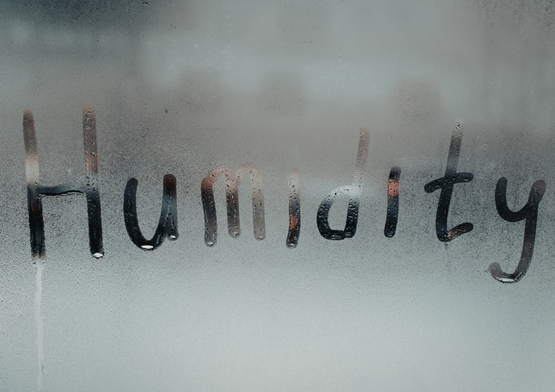
Condensation forms when warm, moist indoor air meets a cooler surface - like glass. As the air cools, it can’t hold as much moisture, so water droplets form.
Common causes include:
- Poor ventilation
- High indoor humidity from cooking, showering, or drying clothes inside
- Temperature differences between inside and outside
- Insufficient insulation or older windows
A little condensation occasionally isn’t a big deal. Persistent condensation is.
The Hidden Health Effects
The biggest concern isn’t the water itself - it’s what that moisture enables.
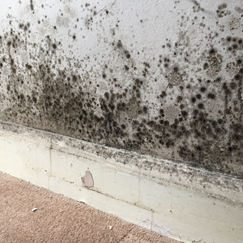
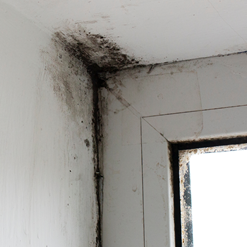
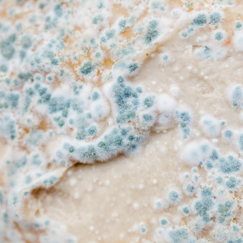
Mould growth
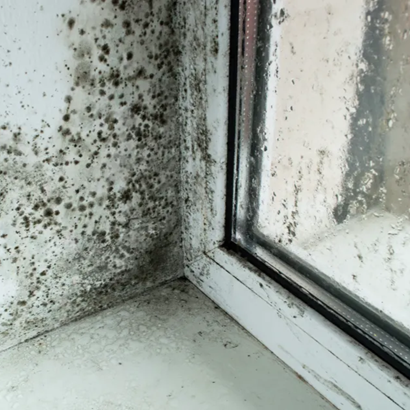
Consistent condensation creates damp areas around window frames, sills, curtains, and nearby walls. That environment is ideal for mould to grow.
Exposure to mould spores is linked to:
- Respiratory irritation
- Worsening asthma symptoms
- Allergic reactions (sneezing, runny nose, itchy eyes)
- Skin irritation
For children, older adults, and people with existing respiratory conditions, the impact can be more serious.

Dust mites and indoor air quality
High humidity also supports dust mites, which thrive in moist environments. These microscopic pests are a common trigger for allergies and asthma.
Even if you don’t see mould, elevated humidity can quietly reduce your indoor air quality.
That “musty” smell
If your home smells damp or stale, it’s often due to microbial growth fed by moisture. This isn’t just unpleasant - it’s a sign your indoor environment isn’t as healthy as it should be.
Property Damage Most People Overlook
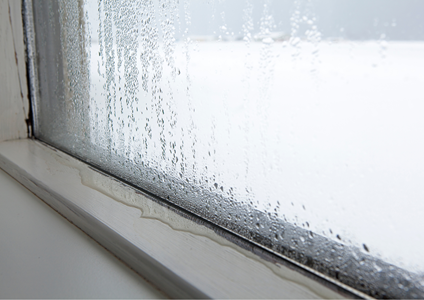
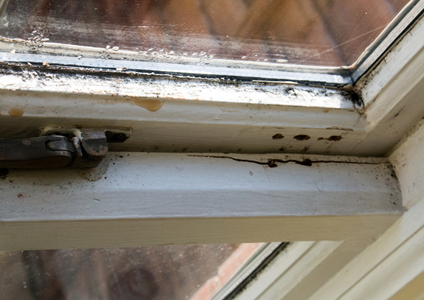
Condensation doesn’t just disappear. It accumulates, seeps, and degrades materials over time.
- Window frames and seals
- Timber frames can swell, warp, or rot. Even aluminium frames can suffer from corrosion around fittings and seals.
- Paint and plaster
- Moisture breaks down paint, leading to peeling, bubbling, and staining. Plasterboard can soften and deteriorate.
- Curtains and furnishings
- Fabric near windows absorbs moisture, leading to mildew, staining, and odours.
- Flooring damage
- Water dripping onto sills and floors can cause timber flooring to expand or warp, especially if the issue is ongoing.
- Structural risks over time
If condensation is persistent and widespread, moisture can migrate into wall cavities. Over months or years, this can contribute to structural deterioration and costly repairs.
Why Wiping it Away isn’t Enough
Cleaning condensation off windows treats the symptom, not the cause.
If the humidity inside your home remains high, the condensation will keep coming back. That means the underlying risks - mould, damage, poor air quality - continue to build.
To fix it properly, you need to control moisture levels.
Can Air Conditioning Help?
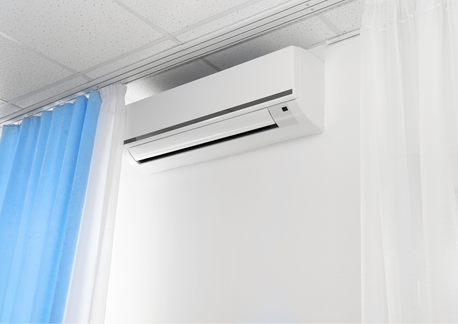

Yes - but only if it’s used correctly.
Modern air conditioning systems don’t just cool air. They also remove moisture through a process called dehumidification.
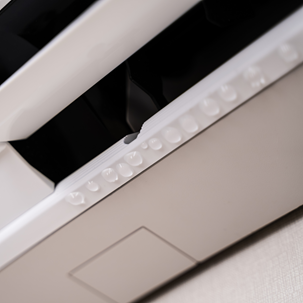
When warm, humid air passes over the system’s cooling coil, moisture condenses and is drained away. This reduces the overall humidity in the room.
How air con reduces condensation
By lowering indoor humidity, air conditioning:
- Reduces the amount of moisture available to form condensation
- Helps keep window surfaces drier
- Limits conditions that allow mould and dust mites to thrive
- In short, less humidity = less condensation.
The “dry mode” advantage
Many systems include a dry or dehumidification mode. This setting focuses more on removing moisture than aggressively cooling the room.
It’s especially useful in milder weather when humidity is high but temperature isn’t extreme.
Where Air Cons Fall Short
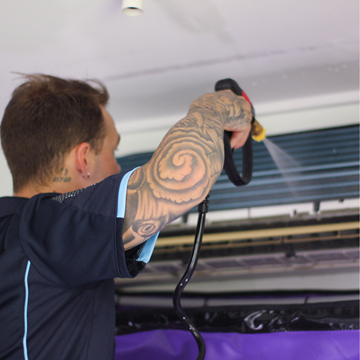
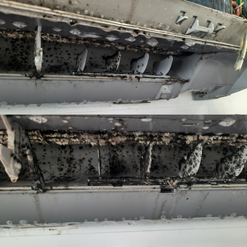
Air conditioning isn’t a complete solution on its own. It needs to be clean
If your system contains mould or buildup internally, it can circulate contaminated air - even while reducing humidity.
That’s why proper maintenance and periodic deep cleaning matter.
It won’t fix poor ventilation
If your home traps moisture (from long showers, indoor drying, or sealed environments), you still need airflow - like exhaust fans or open windows when conditions allow.
It must be sized and used correctly
An undersized or rarely used system won’t effectively control humidity. Consistent operation is key.
Practical Steps to Reduce Condensation
To get lasting results, combine methods:
- Use air conditioning regularly to manage humidity
- Run exhaust fans in bathrooms and kitchens
- Avoid drying clothes indoors where possible
- Open windows when outdoor conditions are dry
- Keep curtains slightly open to allow airflow to glass surfaces
- Monitor humidity (aim for roughly 40–60%)
Window condensation is more than a cosmetic issue. It’s an early warning sign of excess indoor moisture - and that can lead to mould, poor air quality, and long-term damage to your home.
Air conditioning can play a powerful role in controlling humidity and reducing condensation, but it works best as part of a broader approach that includes ventilation and proper maintenance.
If condensation is a daily occurrence in your home, it’s worth taking seriously now - before it turns into a bigger health or repair problem later.