


WINTER = PRIME MOULD SEASON?
Does Mould Stop Growing in Cold Weather When You Turn Your Air Con on to Heat?
Many people assume mould disappears in winter.
The logic seems reasonable: colder weather should kill mould, dry things out, and stop problems from spreading. Then the heater goes on, the house feels warm again, and it seems like the issue should solve itself.
Unfortunately, mould doesn’t work that way.
In many homes, winter can actually create better conditions for mould growth, especially when air conditioning is used for heating without managing moisture levels properly.
Here’s what’s really happening...
Does cold weather stop mould growth?
Not necessarily.
Cold weather can slow mould growth, but it rarely stops it completely. Most mould species become less active at lower temperatures, yet they don’t simply disappear or die off because winter arrives.
What mould really needs to grow is:
- Moisture
- A food source (dust, dirt, organic material)
- Limited airflow
- Suitable temperatures
Moisture is the biggest factor.
If moisture is present, mould can survive and continue growing even in cooler conditions.
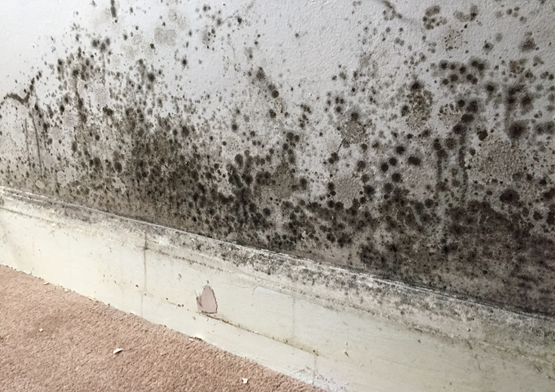
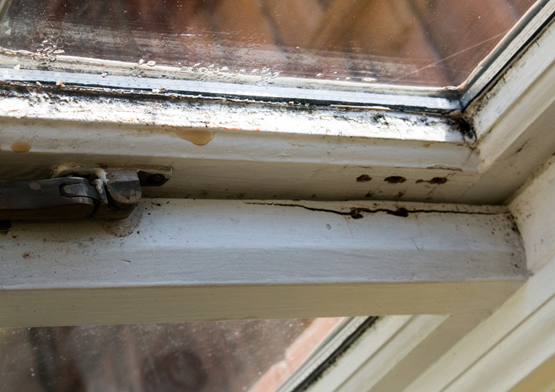
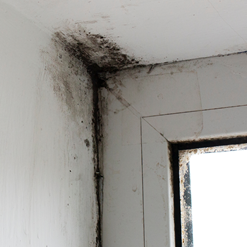
This is why people often notice mould appearing around:
- Windows
- Curtains
- Bedrooms
- Wardrobes
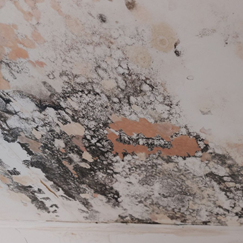
- Corners of ceilings and walls
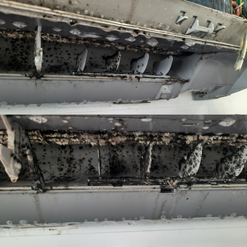
- Air conditioning units
Especially during winter.
Why winter can actually make mould worse


When temperatures drop, we naturally close windows and doors to keep warmth inside.
The problem?
We also trap moisture inside.
Everyday activities release water vapour into your home:
- Hot showers
- Cooking
- Drying clothes indoors
- Breathing (yes - even people add humidity)
- Kettles and dishwashers
That moisture has to go somewhere.
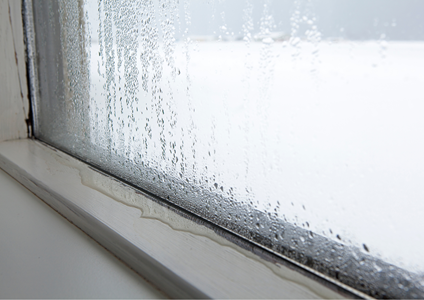
When warm indoor air touches cold surfaces - like windows or external walls - condensation forms.
This creates damp environments mould loves.
If you’ve ever seen wet windows on cold mornings, that’s your warning sign.
Condensation is often the beginning of a mould problem.
What happens when you turn the air conditioner onto heating?
This surprises a lot of homeowners.
Running your split-system air conditioner on heating mode warms the room, but it does not remove humidity in the same way cooling mode does.
In cooling mode, an air conditioner naturally dehumidifies the air by extracting moisture through the evaporator coil.
In heating mode, that moisture-removal process largely disappears.
So while your room feels warmer and more comfortable, humidity may still remain high.
In some cases, heating can even make hidden moisture issues worse.
Why?
Because warm air can hold more moisture.
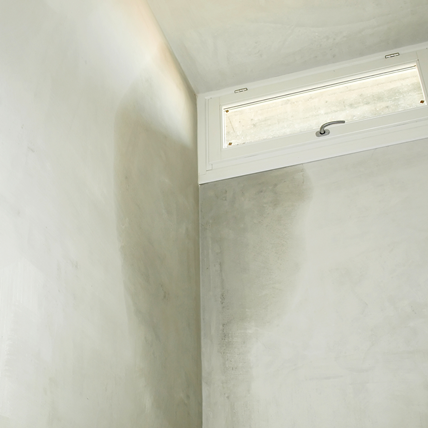
That moisture then settles onto cooler surfaces in the home, particularly:
- Windows
- External walls
- Ceiling corners
- Behind furniture
- Around wardrobes
This is why people sometimes heat the house all winter yet still notice mould appearing.
The warmth alone isn’t solving the moisture problem.
Does heating kill mould?
No.
Heating may temporarily dry visible moisture, but it generally won’t kill mould spores.
Mould spores are resilient.
They can stay dormant and reactivate when conditions become favourable again.
You may think the issue has disappeared during drier periods, only for it to return weeks later.
That recurring cycle usually means the underlying moisture problem hasn’t been fixed.

The hidden role of dirty air conditioners

There’s another factor many homeowners miss.
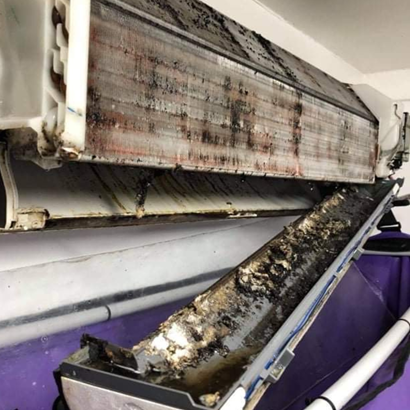
If your air conditioner already contains mould internally, turning it onto heating can spread spores throughout the room.
Inside neglected systems, mould commonly builds up on:
- The evaporator coil
- Fan barrel
- Drain tray
- Internal cavities
When the system runs, airflow can distribute contaminants through the home.
People often notice:
- Musty smells when heating starts
- Sneezing or irritation indoors
- Worsening allergies
- Dust settling unusually fast
The heating itself isn’t creating mould—but a contaminated system may be circulating it.
How to reduce mould risk during winter
Winter mould prevention is mostly about controlling moisture.
1. Improve ventilation
Use exhaust fans during showers and cooking. Open windows when weather allows, even briefly.
2. Manage condensation
Wipe excess moisture from windows and identify rooms with recurring dampness.
3. Avoid drying clothes indoors
Wet laundry releases significant humidity into the home.
4. Let air circulate
Avoid pushing furniture tightly against cold external walls.
5. Use your air con strategically
Some systems have a dry mode or dehumidification setting that can help reduce indoor moisture.
6. Keep your air conditioner clean
A neglected system can become part of the problem rather than the solution.
Regular maintenance and deep cleaning help ensure the air being circulated is cleaner and the system runs efficiently.
A common misconception

Many people believe:
Cold weather = no mould
But the reality is closer to:
Cold weather + trapped moisture = prime mould season
Especially in tightly sealed homes.
If you notice condensation, musty smells, or black spots appearing during winter, your home is telling you moisture levels are too high.
Ignoring it usually makes the cleanup harder and more expensive later.
Mould does not automatically stop growing in cold weather, and turning your air conditioner onto heating won’t necessarily prevent it.
Heating makes rooms feel warmer, but it doesn’t remove humidity the same way cooling does. If moisture remains trapped inside the home, mould can continue to grow—sometimes even faster in winter conditions.
The key is moisture control, ventilation, and ensuring your air conditioning system itself is clean.
Because when mould finds moisture, the season rarely matters.